Product Leader | Entrepreneur | AI Builder
Ranjani Indrajith
I build what matters, scale what works, and redesign what doesn't.
I'm a product leader and entrepreneur with 20 years of experience building education businesses, scaling products, and leading teams.
I've founded two companies, worked on products reaching over a million learner enrollments, and led product development in large organizations.
Today, I combine that experience with hands-on AI building. I work closely with users, identify problems worth solving, build and ship solutions, and measure whether they make a difference.
Fuquay-Varina, North Carolina
Learner Enrollments
Built and scaled TALE, a digital language-learning product, across 100+ schools, reaching over one million cumulative student enrollments over several years.
Estimated Words Read
Making reading a measurable habit through engagement, gamification, and product design.
Faster Teacher Reporting
Built and shipped a tool that cut post-class reporting from 20 minutes to 3.
Faster Curriculum Production
Redesigned curriculum workflows with AI and a human in the loop, reducing production time per book by 90%.
AI-Powered Teacher Workflow | Live Product
Helping teachers spend less time reporting and more time teaching.
The Problem
Teachers were postponing class reports until the weekend because completing them between classes took too much time. Student observations and progress notes were scattered across different places, making parent follow-ups difficult.
When a teacher was absent, missing or delayed notes made it harder for substitute teachers to pick up where the previous teacher left off.
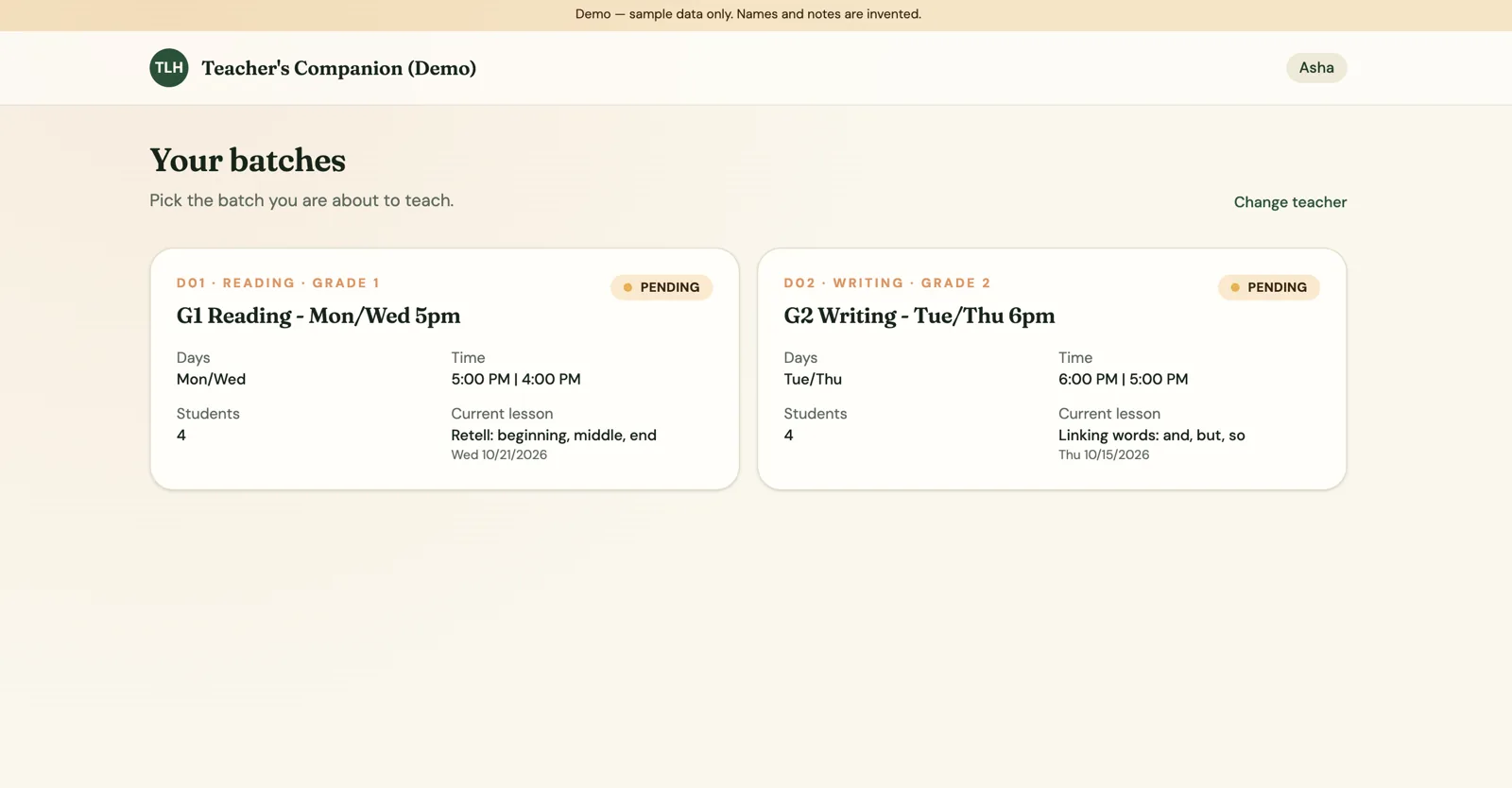
Demo with sample data. Names and notes are invented.
Read more
What I Built
I built Teacher's Companion using Lovable, bringing student information, pre-class context, class reporting, and AI-generated summaries of previous lessons into one place.
The Impact
- 85% less reporting time: Reduced from 20 minutes to 3 minutes.
- 10 teachers: Actively using the product.
- 2–3 weeks: From idea to working product.
Teachers can now capture observations while they're fresh and maintain better continuity across classes.
What's Next
Voice-based notes and Zoom recording capture to reduce manual reporting even further.
Reading Habit & Engagement Product | Built with a Developer
Helping children build reading habits that last, with parents as partners.
The Problem
Children often start reading enthusiastically but struggle to stay consistent. Breaks, holidays, and changing family routines interrupt reading habits. Parents want their children to read more, but often don't know how to build and sustain those habits without making reading feel like a chore.
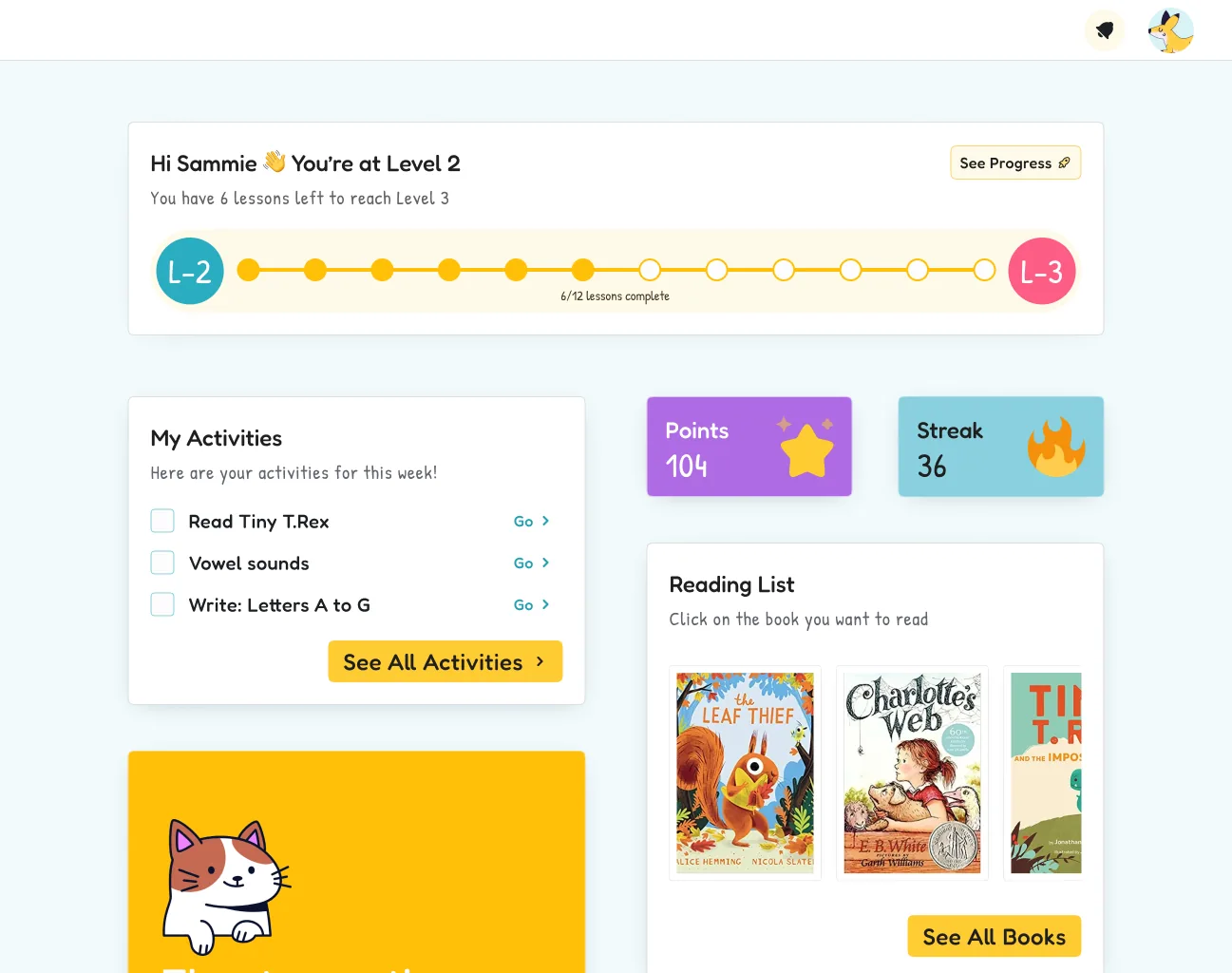
Student dashboard: level, points and streak
Read more
What I Built
I designed Reading Gym using principles from Atomic Habits, combining the science of habit formation with practical tools for families.
The product helps children establish reading routines, track progress, and celebrate milestones. It also educates parents on how habits form and how to support their children through interruptions and changing routines.
Product Decisions I'm Proud Of
- The 3Rs — Routine, Reminder, Reward: Designed a simple system that reduces friction, makes reading easier to repeat, and builds consistent habits. Parents set meaningful monthly rewards that motivate children to complete books and celebrate progress.
- Parent Education: Built guidance into the product to help parents understand habit formation, sustain routines through interruptions, and create positive conversations around reading.
My Role
Product vision, habit-formation strategy, requirements, reward-system design, parent experience, and collaboration with the developer.
Product Development & Scale | Digital Language Learning
Breaking Language Barriers, One School at a Time
The Problem
In under-resourced schools across smaller towns and villages in India, children had limited opportunities to hear and use English.
These were capable, curious children who could read but often lacked the language exposure and confidence to express themselves. Many teachers faced the same challenges.
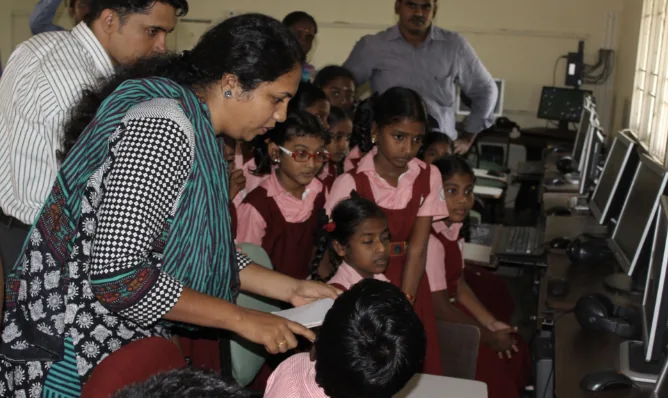
TALE in a school computer lab
Read more
What I Built
I built TALE, a school-based digital language lab designed to bridge the gap between reading and communicating confidently in English.
The product combined structured listening, interactive learning, and guided practice. We identified missing language skills and created experiences that helped children learn independently, while supporting teachers through training, workshops, and classroom resources.
How We Scaled
We brought the product into schools, demonstrated it to educators, listened to their challenges, trained teachers, and continuously improved the experience based on what happened in classrooms.
- 1M+ cumulative student enrollments through TALE over several years.
- 100+ schools across two states.
- School implementation, teacher training, ongoing support, and product improvement.
The Impact I'm Proud Of
Some schools had just one teacher supporting 100 children across different age groups. Even in these resource-constrained environments, we saw children making remarkable progress.
In some classrooms, first graders were reading second-grade material, despite starting well below expected reading levels.
What This Taught Me About Building Products
Great product thinking doesn't start with technology. It starts with understanding a problem deeply enough to find a solution that works within real-world constraints.
Long before today's AI tools, TALE taught me that meaningful innovation isn't always about sophisticated technology. It's about removing barriers, designing for real users, and making something useful enough to work at scale.
AI Automation | Human-in-the-Loop Product Design
From 40 Hours to 4 Hours per Book
Redesigning curriculum production with AI while keeping educators in control.
The Problem
Our book-based reading program required curriculum writers to select books, understand grade-level standards, read each book, identify vocabulary and teaching opportunities, develop lesson plans, and create presentations.
Each book took approximately 40 hours. With five books needed every month, curriculum production was becoming a barrier to growth and personalization.
Read more
What I Built
I redesigned curriculum development into a three-stage AI workflow, with human review and approval at every stage.
1. Opportunity Map
AI reads the book and identifies passages, vocabulary, and opportunities to teach specific standards. An educator reviews and validates the recommendations.
Human review
2. Lesson Blueprint
AI converts approved opportunities into a structured instructional plan, mapping excerpts to standards and lesson activities. An educator verifies the blueprint.
Human review
3. Presentation Generation
AI creates complete lesson presentations using predefined templates and style guidelines, followed by human review and final proofreading.
Human review
The Impact
- 40 → 4 hours: Estimated production time per book, a 90% reduction.
- Up to 30 books per person per month: Potential production capacity, subject to demand and quality review.
- Greater personalization: The ability to develop lessons around books children already enjoy, rather than limiting families to a fixed library.
The Product Decision I'm Proud Of
I didn't use AI to replace curriculum expertise. I used it to change where that expertise was needed.
AI handles the time-consuming analysis and production work. Educators make the instructional decisions and verify the final output.
The result is a workflow designed for scale without removing human judgment.
AI-Assisted Product Building | Operations & Team Enablement
One Connected View. Better Decisions. Stronger Teams.
The Problem
Our operations, finance, student success, curriculum, and classroom execution teams worked across multiple Google Sheets and disconnected conversations.
Student attendance, reading, writing, language arts progress, parent communications, and operational records existed in separate places.
Finding information, identifying gaps, and coordinating follow-ups depended too heavily on individual knowledge and manual effort.
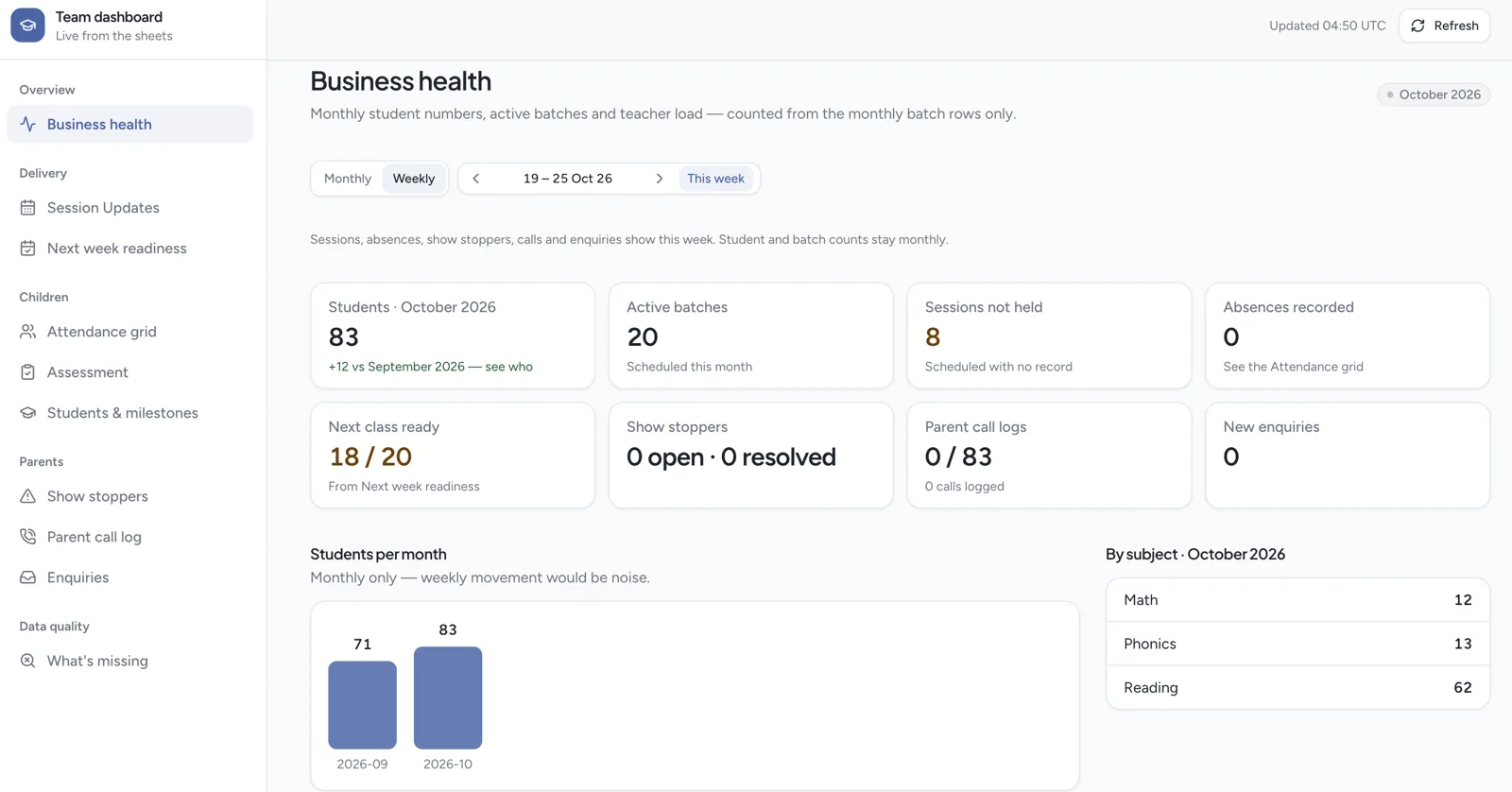
Business health
Read more
What I Built
Using AI, I built an integrated operations dashboard connecting our existing data and workflows into one system.
It brings together student progress, attendance, classroom reporting, upcoming sessions, parent communications, and business performance.
The initial working dashboard took just 2–3 hours to build. From there, I continued improving it based on how the teams actually worked.
The Product Decision I'm Proud Of
I designed the dashboard around exceptions and next actions, not just reporting.
Instead of expecting every team member to navigate complex spreadsheets or remember every process, the system highlights missing information, incomplete work, and upcoming priorities.
The Impact
- Connected five business functions through a shared operational view.
- Made reporting gaps and classroom readiness visible.
- Reduced the effort required to locate information across disconnected spreadsheets.
- Helped team members work more independently, with clearer information and fewer manual follow-ups.
What This Taught Me
Great products don't require every user to become an expert. They make complex work easier for people with different levels of experience and technical confidence.
My goal was not just to build a dashboard. It was to build a system that helps people do their best work.
Two companies. Many experiments. A lifelong love of turning ideas into something real.
I Love Starting from Zero
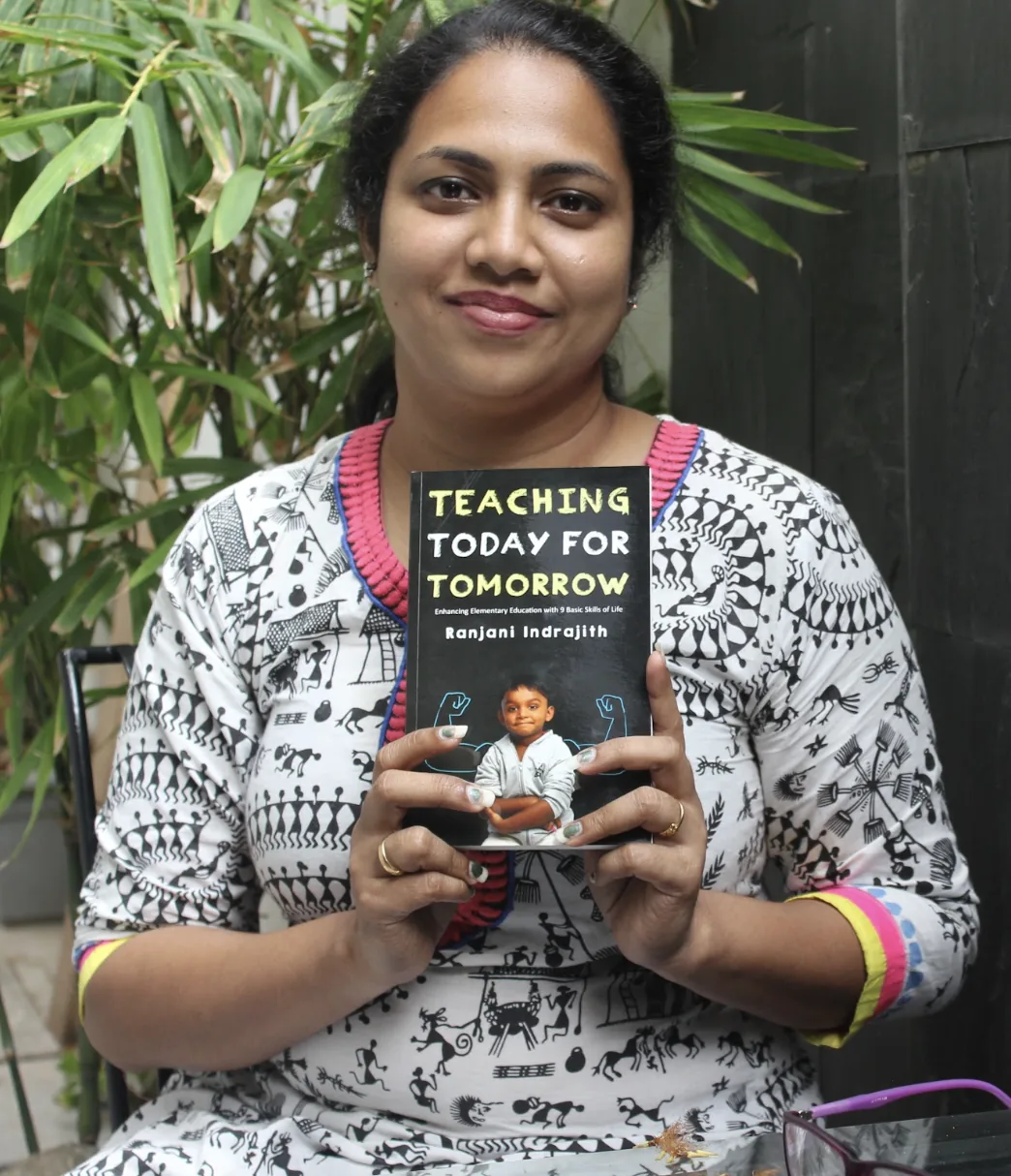
Building my first company taught me how much I enjoy solving customer problems. Starting with an unmet need, testing ideas, bringing people together, and watching a product find its place in the world is the work I enjoy most.
I also believe people grow businesses when businesses help people grow. When individual aspirations connect with organizational goals, people take ownership, grow together, and accomplish more.
Read more
Seven Days to Build. Thousands of Readers Later.
When COVID shut down schools, we had seven days to launch a 21-day reading program.
The lockdown extended, and so did the product—from 21 days to 42, then 66. Parents began seeing their children read consistently, and we kept building around what worked.
What began as a short-term solution grew into My Chapter One, serving over 3,000 children and creating earning opportunities for women educators.
My Favorite Kind of Zero-to-One: A Child Becoming an Author
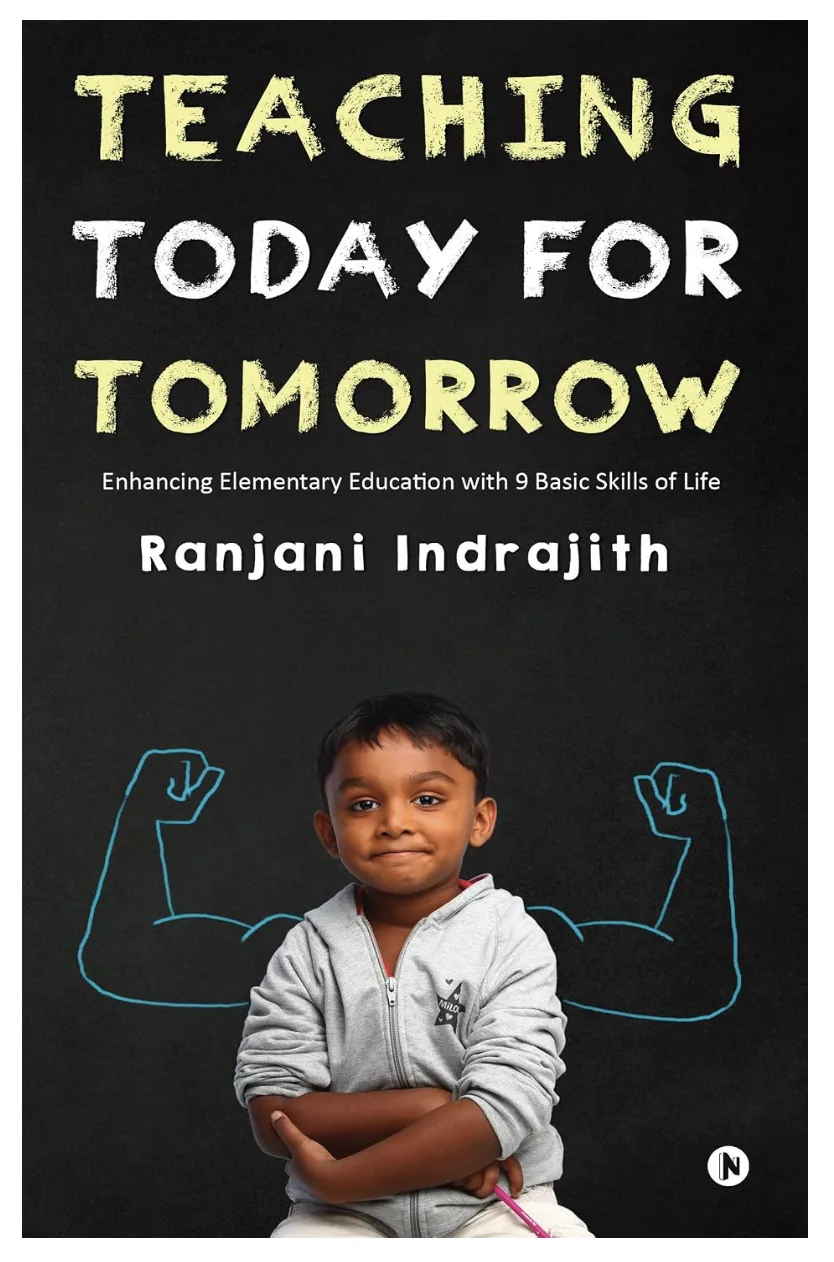
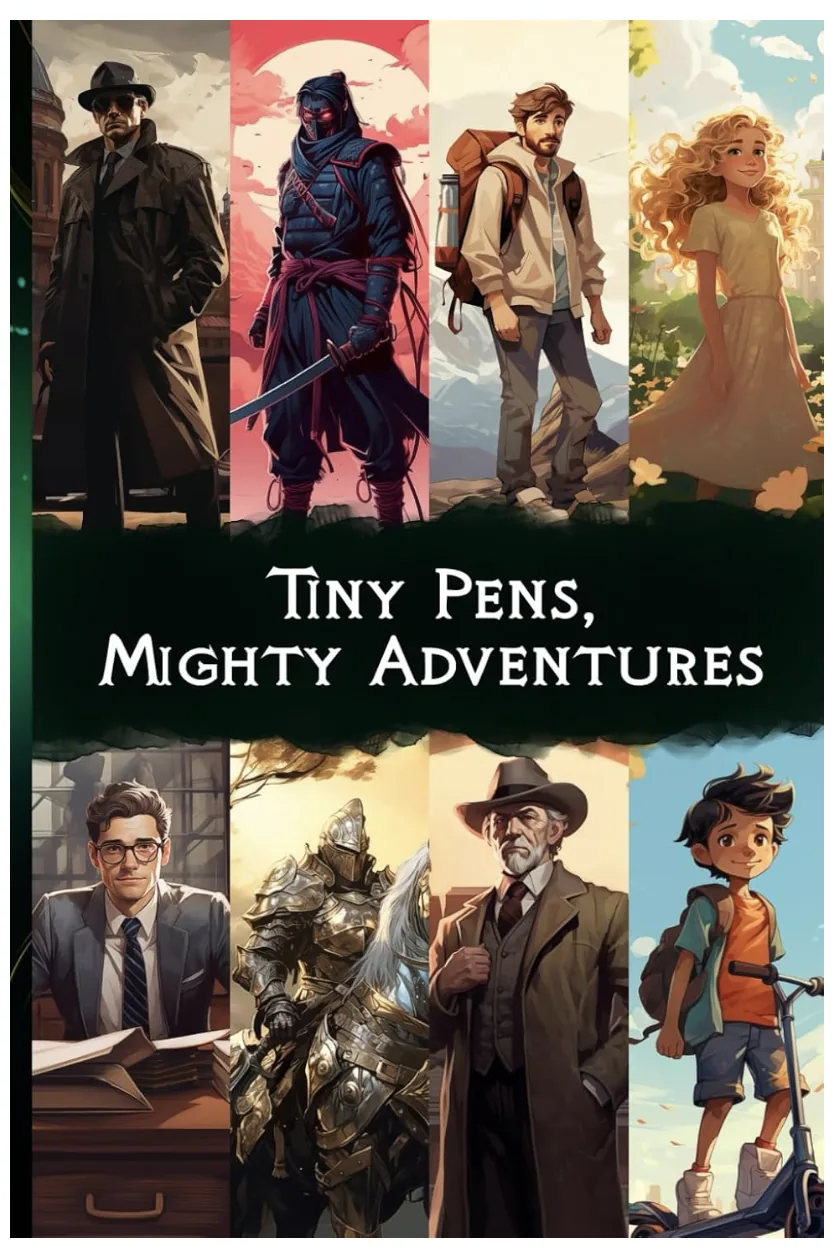
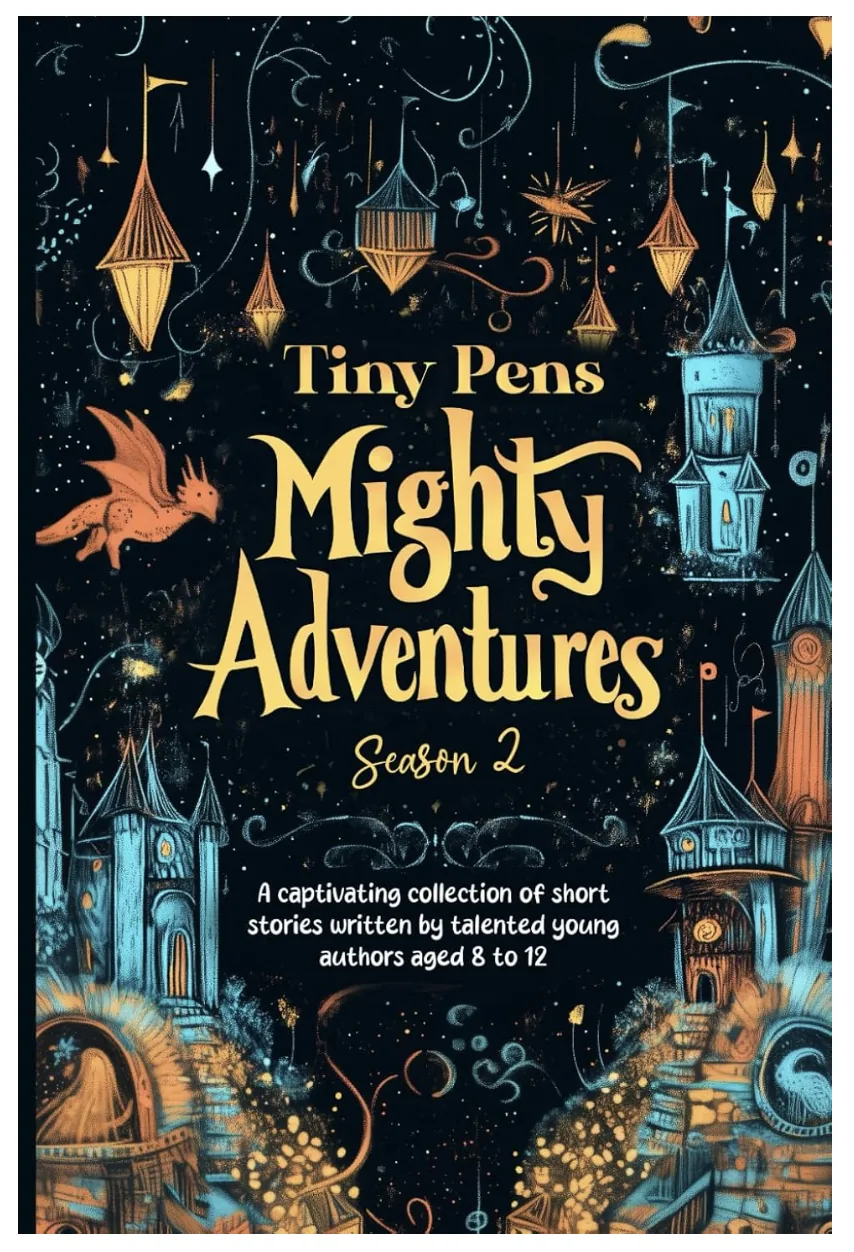
I've written and published educational books, developed children's activity books, and helped young writers publish their own stories.
I love showing children that an idea on a piece of paper can become a real book—something they can hold, share, and keep forever.
Books
Learning products
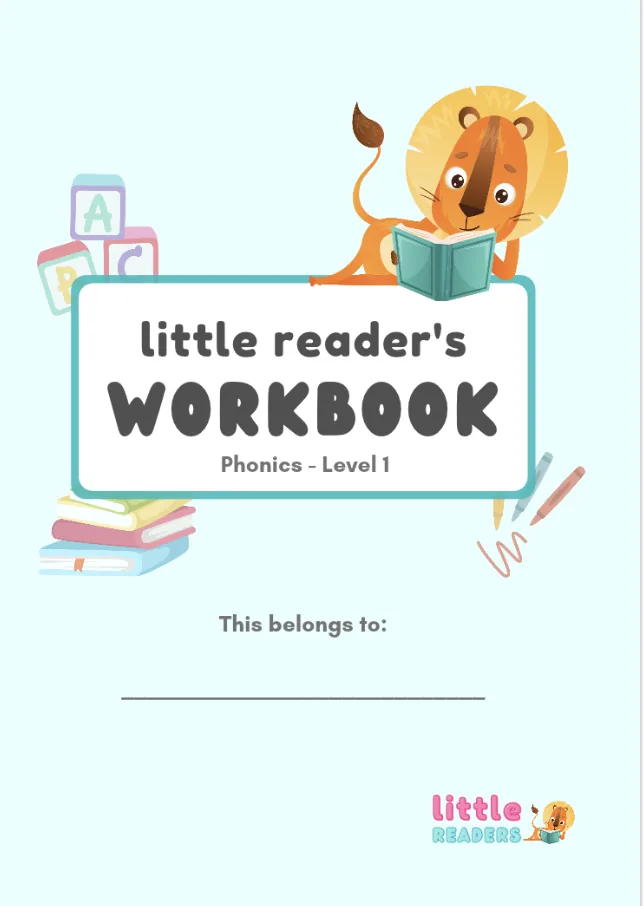
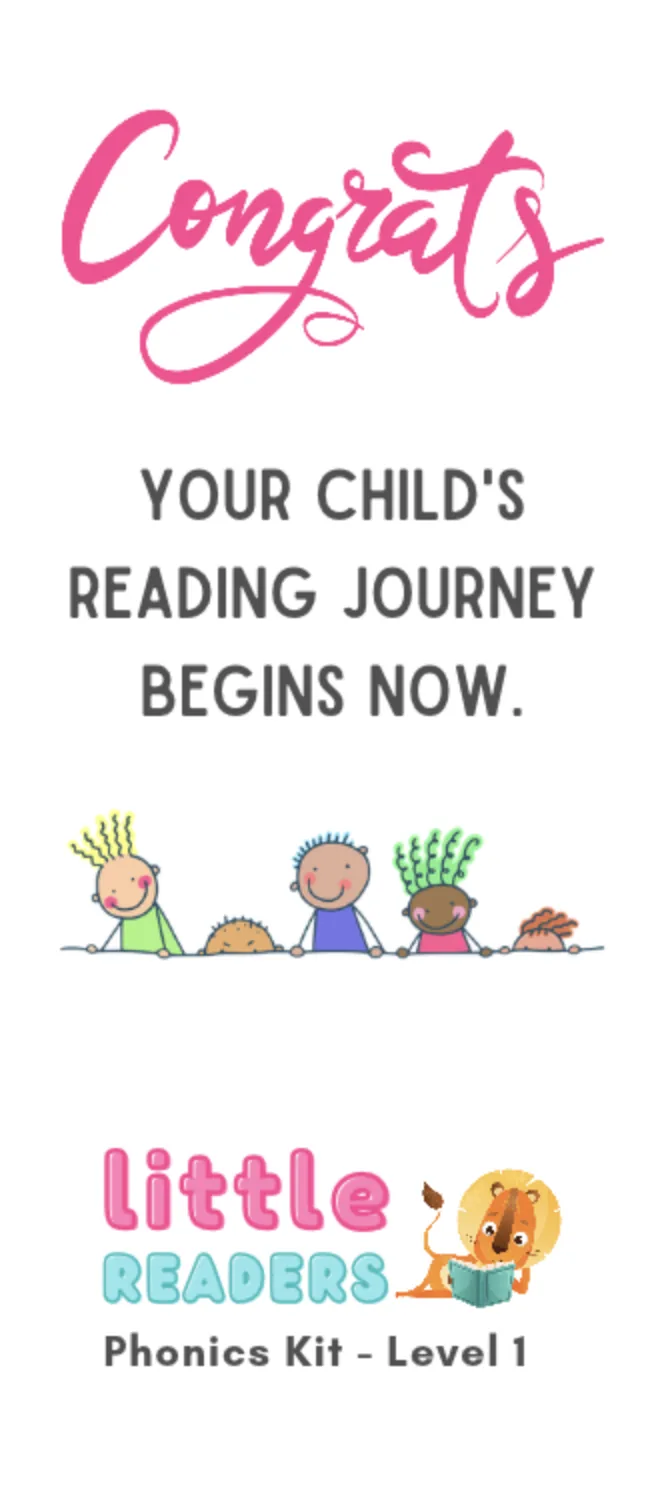
Little Readers phonics kit and workbooks.
Recognition & Milestones

Visa / IFundWomen
$10,000 grant for community impact during COVID.
Accelerating Women Entrepreneurs (AWE)
One of 32 projects selected from 600 applications.
What I've Learned
The best product insights rarely come from a drawing board. They come from putting something in customers' hands, listening to what doesn't work, and having the courage to change it.
Let's Build Something Meaningful.
I enjoy working with people who see possibilities in problems and believe great products are built through curiosity, collaboration, and continuous learning.
Whether it's building something from scratch, scaling a product that works, or rethinking how things are done, I'd love to be part of the conversation.